
What should we personalize?
Choose the right vehicle: recommender, nudge, overlay or dynamic content.
As Program Lead, I owned the strategy for turning a newly acquired personalization platform into a measurable commercial capability.
I developed a three-stage model covering use-case prioritization, experimentation, regional activation, agency delivery and further market-expansion planning. I ran a series of statistically significant experiments and translated these results into a commercial forecast.
The €658K total includes only statistically significant winning experiments. €1.35M is an annualized forecast based on the first 12 months of validated testing.
The company had invested inpurchasing an enterprise personalization platform and was planning a large-scale rollout.
However the technology itself did not define what should actually be personalized, which customer problems to prioritize, how to measure value, or how different teams should work together.
Without a shared approach, markets risked creating isolated campaigns, duplicating work and evaluating success through clicks rather than measurable commercial impact.
Choose the right vehicle: recommender, nudge, overlay or dynamic content.
Define the audience using contextual or behavioral affinity and customer-status signals.
Prioritize high-intent moments across homepage, PDP, account and cart journeys.
I owned the personalization strategy, experimentation roadmap, use-case prioritization, operating model, agency management, commercial forecasting and expansion proposal. The VP of Global E-commerce sponsored the program and retained final approval authority for commercial investment and market expansion.
I designed the program around three stages: personalzation architecture, optimization and expansion. This separated the work of proving new experiences from local campaign activation and prevented expansion before the technical, measurement and ownership foundations were ready.
Standardize the experience framework and measurement not every single campaign. This preserved comparability and reuse while allowing markets to respond to local customers, promotions and inventory.
Rather than starting with complex one-off segments or advanced integrations, I prioritized web use cases with sufficient traffic, clear customer relevance and a direct relationship to the purchasing behavior.
Revenue per user became the primary commercial measure because it captured the combined effect of conversion and transaction value. Purchases and add-to-cart behavior helped diagnose why an experience performed.
For example, if the winning experience generated €5.50 RPU against €4.00 in the control across 15,000 users. The estimated incremental revenue of the experiement was €22,500.
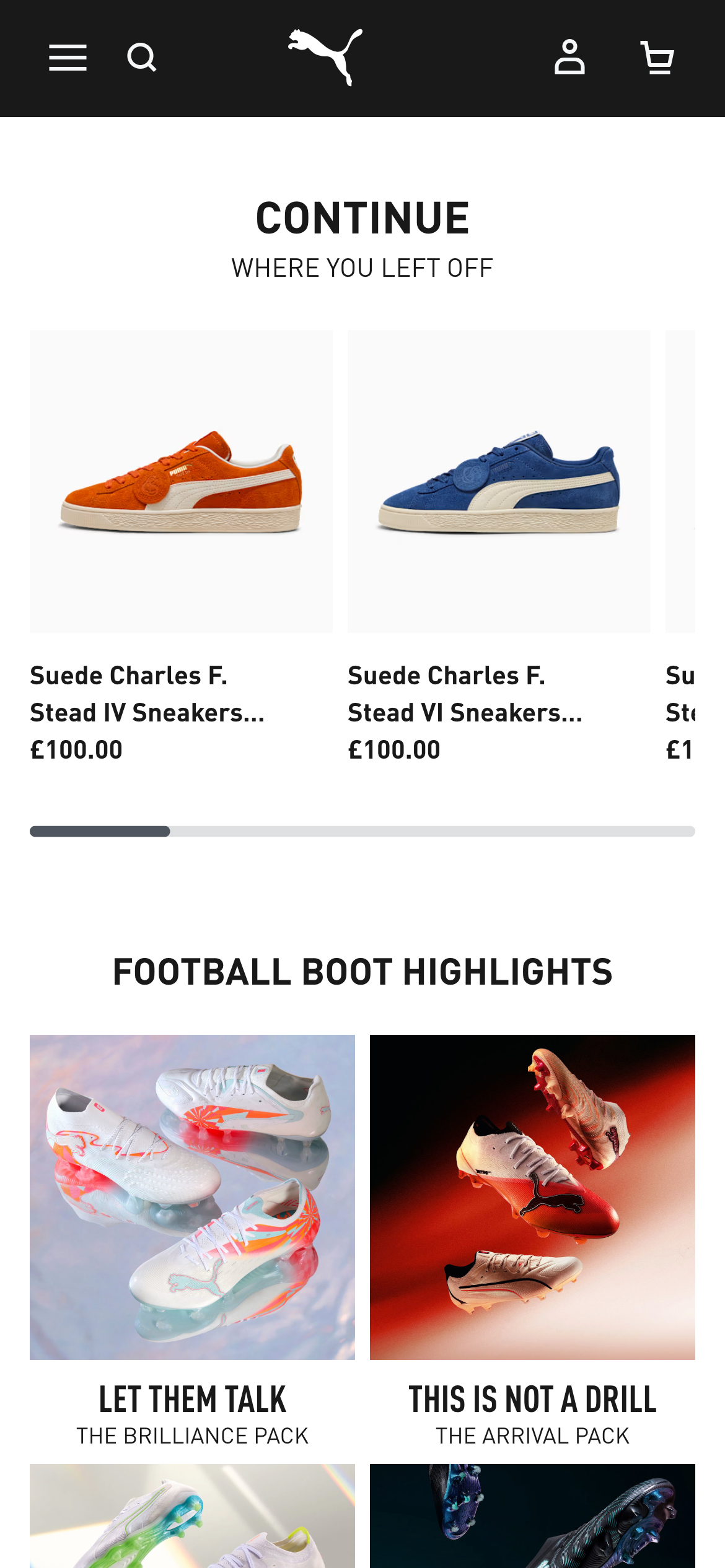
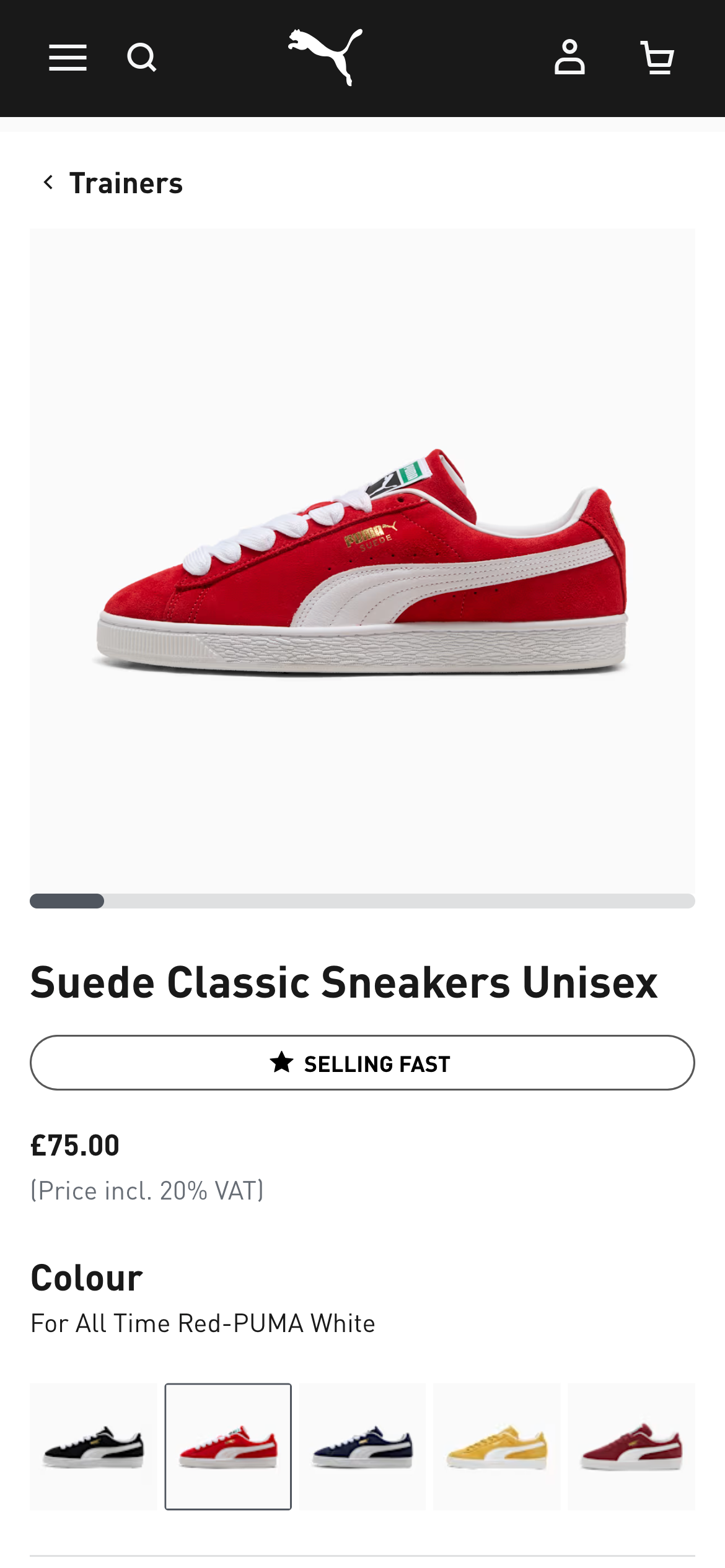
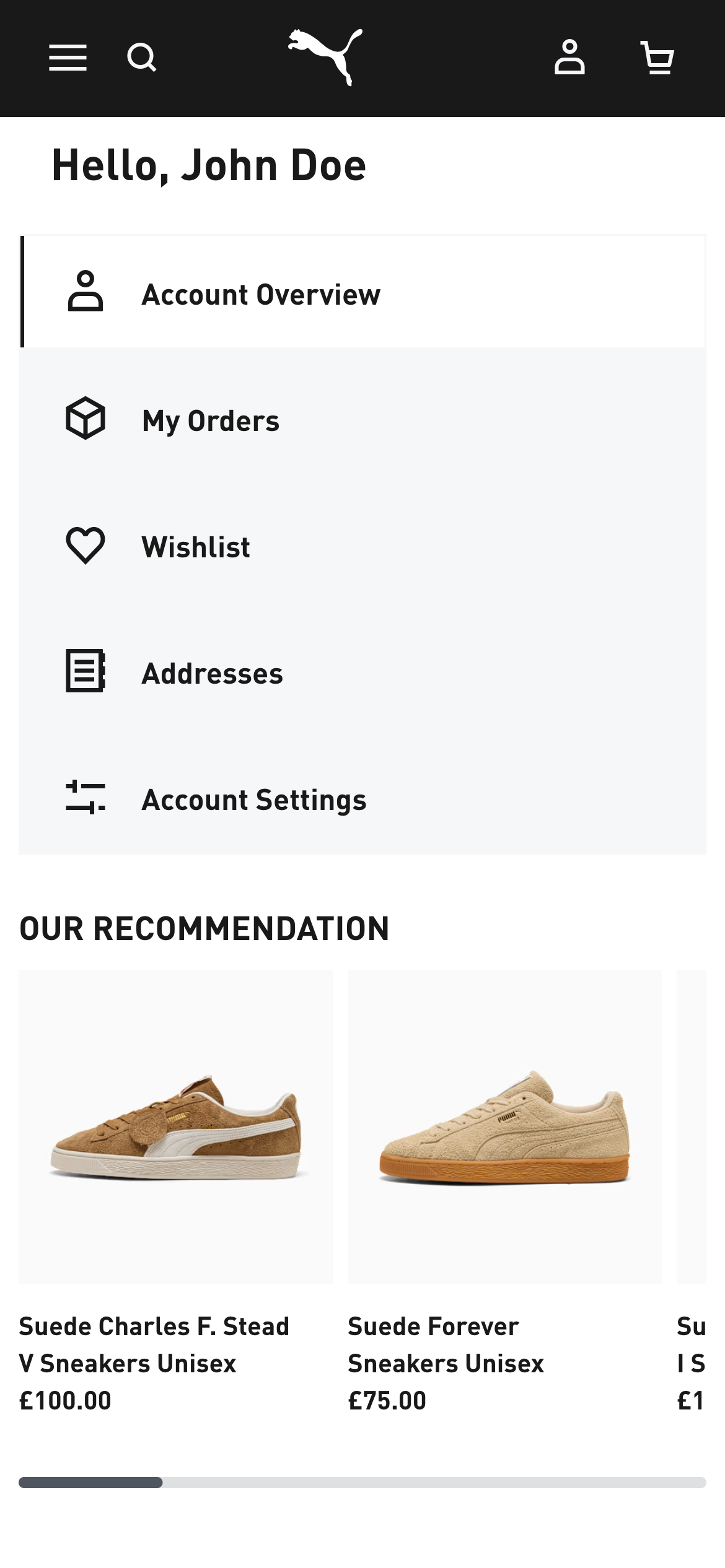
I validated the value of personalization across different touchpoints and journeys in a series of controlled experiemnts with iterations building off previous tests. We observed statistically significant increases in conversion and revenue per user up to 23%. These results demonstrated that the approach could deliver measurable commercial impact while allowing regional teams to adapt it to local needs.
I designed a federated model that separated global capability building from regional activation. This made scale possible without centralizing every campaign or leaving each market to work independently.
The UK program demonstrated that personalization could create statistically significant incremental revenue rather than merely improving engagement metrics.
The real product was not a collection of campaigns. It was a repeatable way to turn customer signals into tested experiences, measurable value and reusable organizational capability.
The validated UK results became the evidence base for a proposed expansion. During my tenure, the broader international rollout remained at commercial-proposal and readiness-planning stage.
The most important learning was that personalization requires a repeatable way to identify opportunities, validate incremental value, convert winners into reusable assets and give regional teams enough ownership to apply them effectively.
If I were establishing the program again, I would build the global template repository and the distributed sponsorship model earlier. A broader coalition across commercial, product, technology and regional leadership would make the capability less dependent on central coordination and more resilient to changing organizational priorities.