
Defined the growth problem
Connected inspiration, product discovery and basket-building into one commercial opportunity.
Styled product photography creates desire, but the shopping journey breaks when customers have to identify and find every item separately.
I reframed “Shop the Look” as a growth hypothesis rather than a feature request: reduce friction in the product discovery, increase the number of shoppers reaching product pages, and encourage multi-item purchases.
The work turned the idea into a decision-ready MVP proposal with competitive evidence, a deliberately narrow scope, a measurable funnel, an A/B testing plan and a staged roadmap.
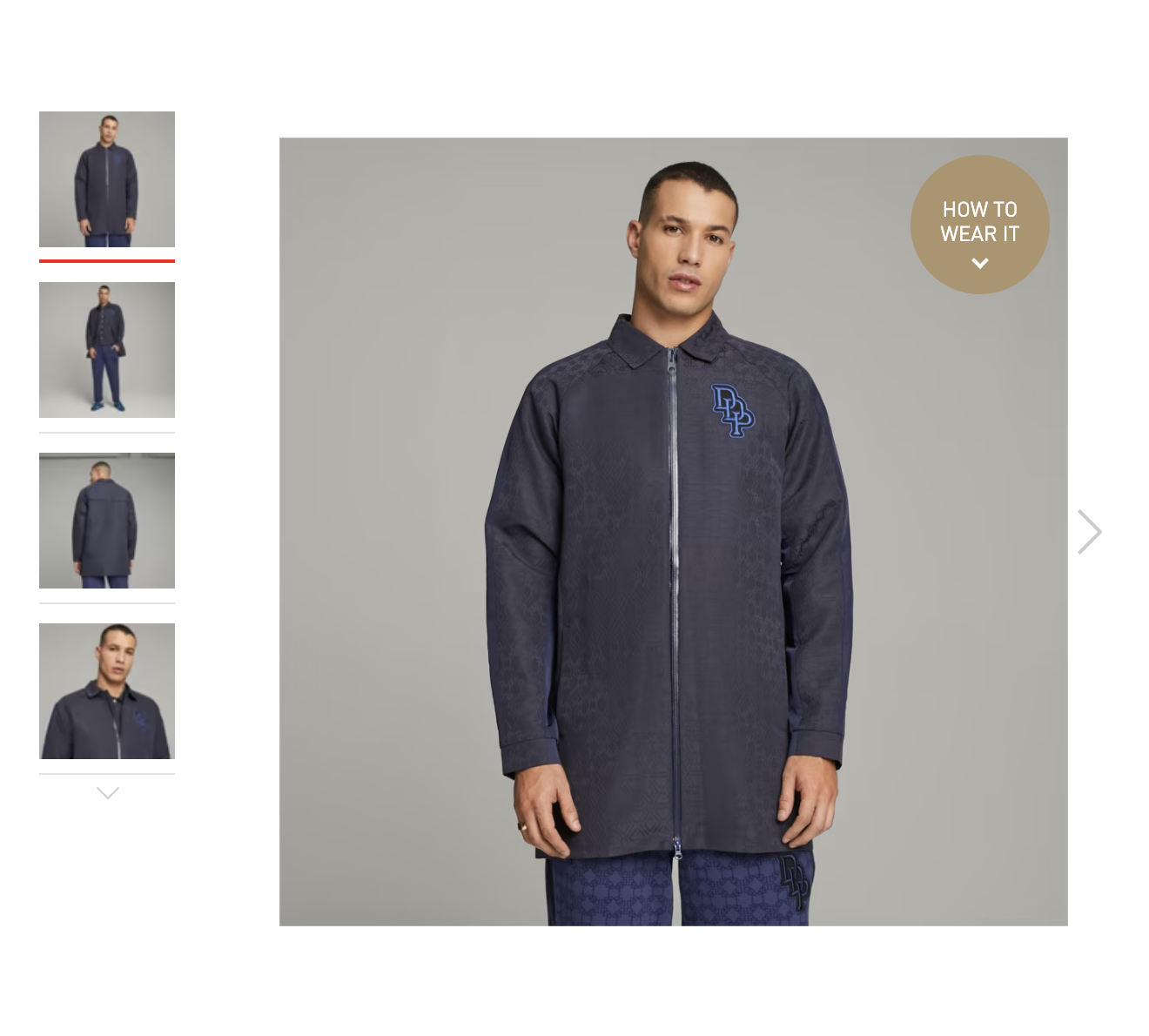
Connected inspiration, product discovery and basket-building into one commercial opportunity.
Separated the core customer loop from substitutions, curation and personalization.
Defined a causal test, leading indicators, commercial outcomes and experience guardrails.
The onsite product photograhy showed customers how individual products could work together and inspired them to purchase the whole look. Yet the experience treated that inspiration as a dead end: finding the jacket, shirt, trousers and shoes meant starting separate searches and reconstructing the outfit manually.
This extra effort created significant friction at the moment of highest intent. The opportunity was to preserve this momentum and turn existing product imagery into a conversion area of its own.
A styled image creates desire and provides a complete outfit idea.
The customer must work out which specific products the model wears.
Every extra query or click increases friction and abandonment risk.
Items added to the cart only if the customer successfully reconnects the products.
Competitor examples showed several versions of the same underlying behavior: product lists beside editorial or social imagery, hotspots on models, complete-look drawers and direct size selection. This reduced interaction risk, as the pattern was already well understood by fashion shoppers.
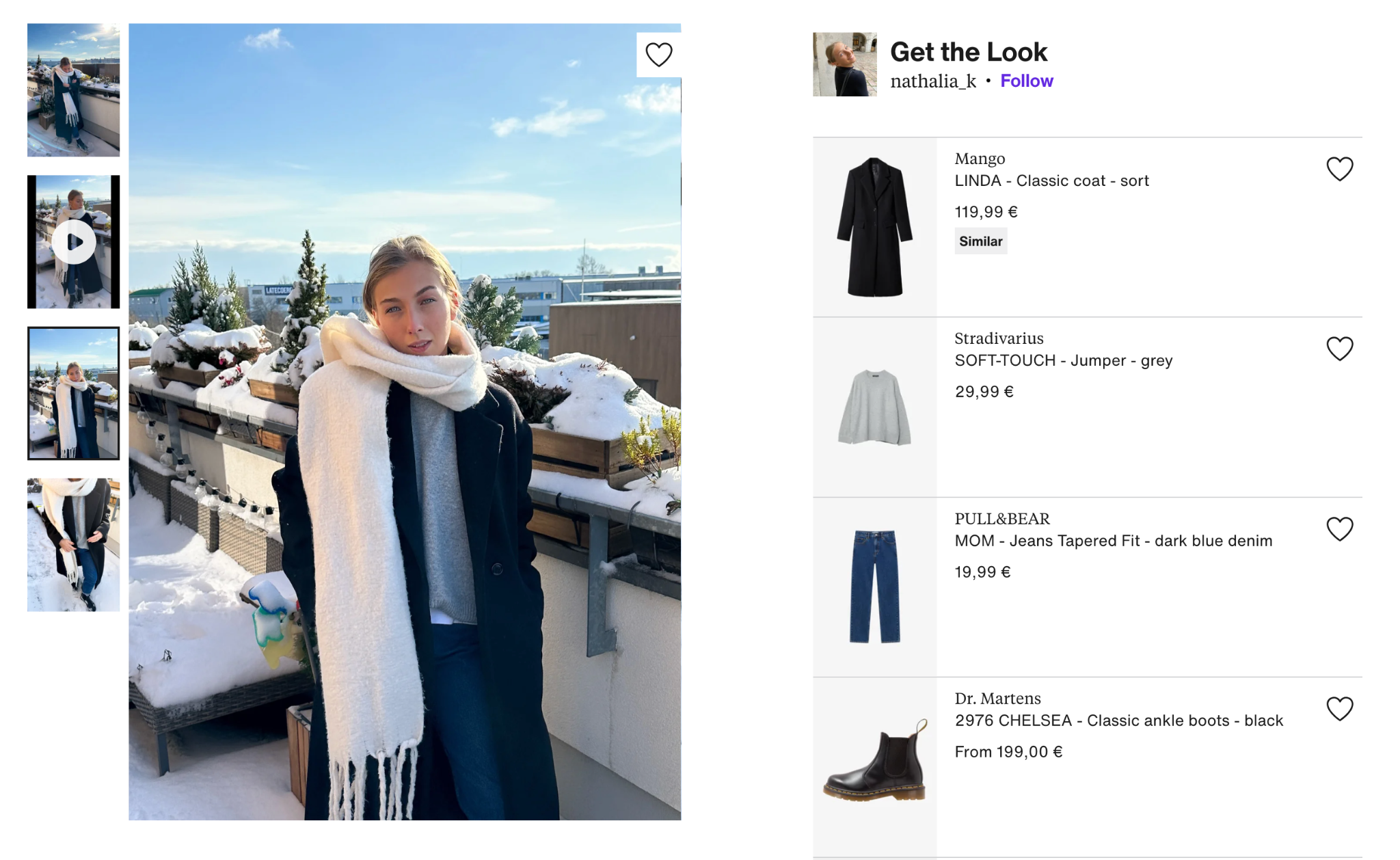
The benchmark was used as directional evidence, not proof of PUMA-specific commercial impact. The latter still required controlled validation.
The first release did not need to solve everything like, e.g. substitutions or personalization. It needed to prove that the core loop was technically feasible, clear and commercially valuable.
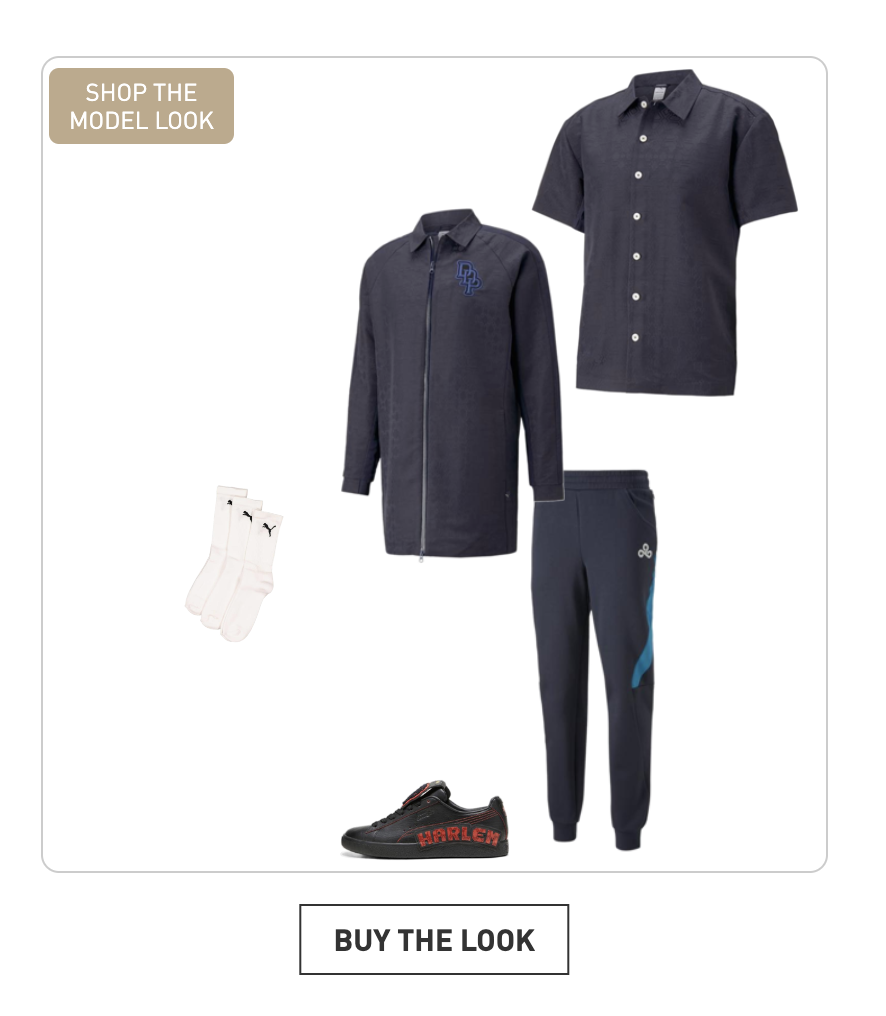
The interaction was based established shopping cues: a visible entry point on the model image, a complete-look view, item details and a clear path to selection. Familiarity meant that customers did not have learn a new behavior or pattern.
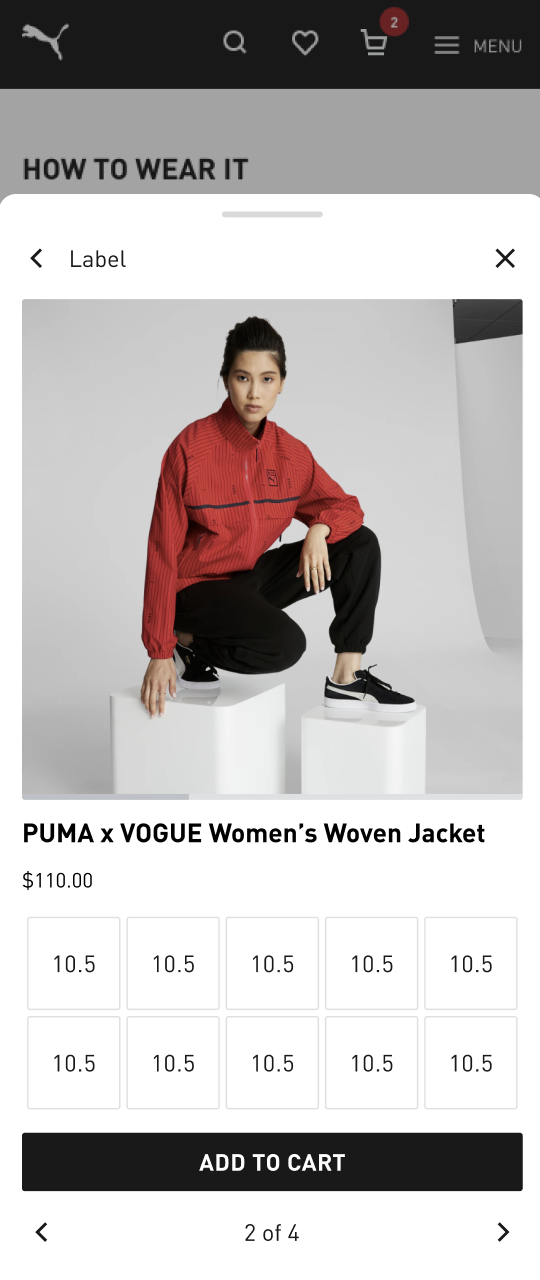
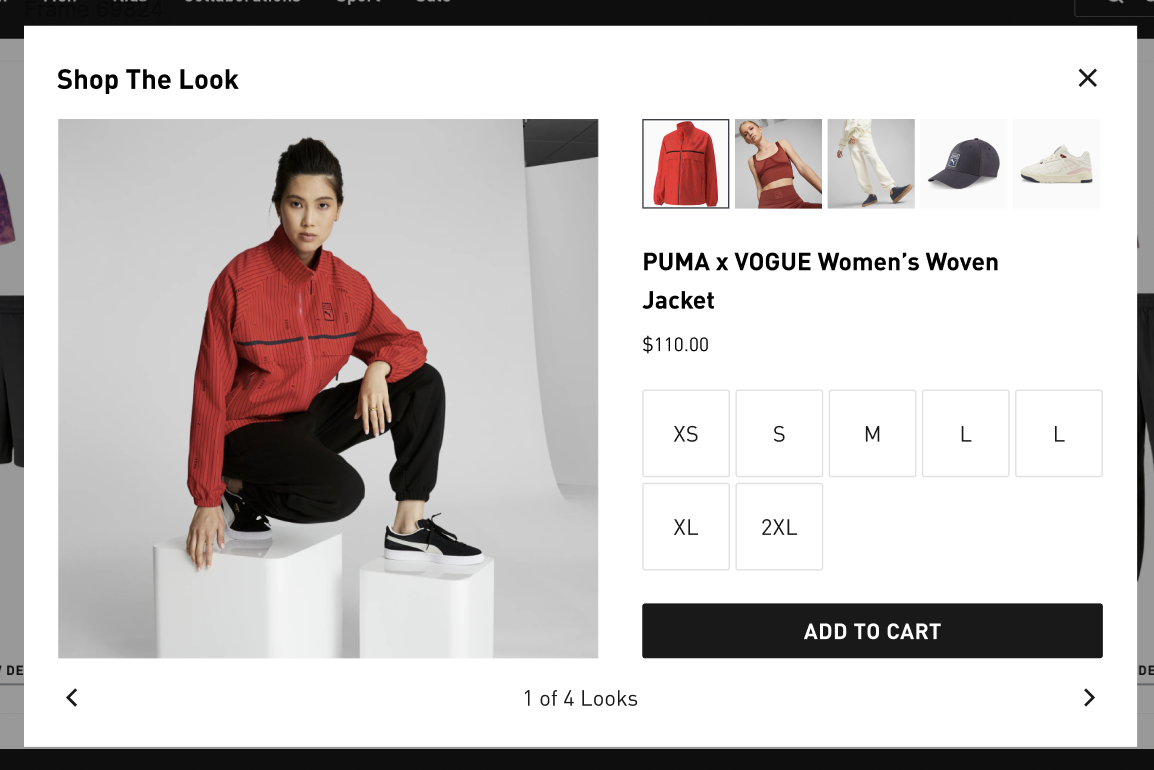
The goal wasn't maximizing clicks on a new widget, but to preserve the intent across the journey: model image → look → product → basket. Each interaction had to bring the customer closer to the purchasing decision.
Engagement could diagnose behavior, but it could not justify investment on its own. The measurement plan connected interaction signals to incremental commercial value and protected the surrounding journey from unintended harm.
Incremental revenue per exposed user and look-to-order conversion.
Entry-point engagement, look-to-PDP rate, add-to-cart rate, units per order and AOV.
Page speed, PDP conversion, returns and exits caused by unavailable products.
Instrument the full funnel, randomize eligible traffic into exposed and control groups, and compare incremental outcomes through a controlled A/B test. Segment diagnostics can explain where the journey changes; the randomized result determines whether the feature creates value.
Before build, the proposal required an engineering estimate and a comparison between an owned solution and third-party tools. The decision was therefore structured around explicit gates rather than an unqualified revenue forecast.
Show the products worn by the model and measure incremental journey and commercial value.
Prevent dead ends by offering appropriate substitutes when an exact item is unavailable.
Use behavior, affinity and context to determine which relevant alternative each customer sees.
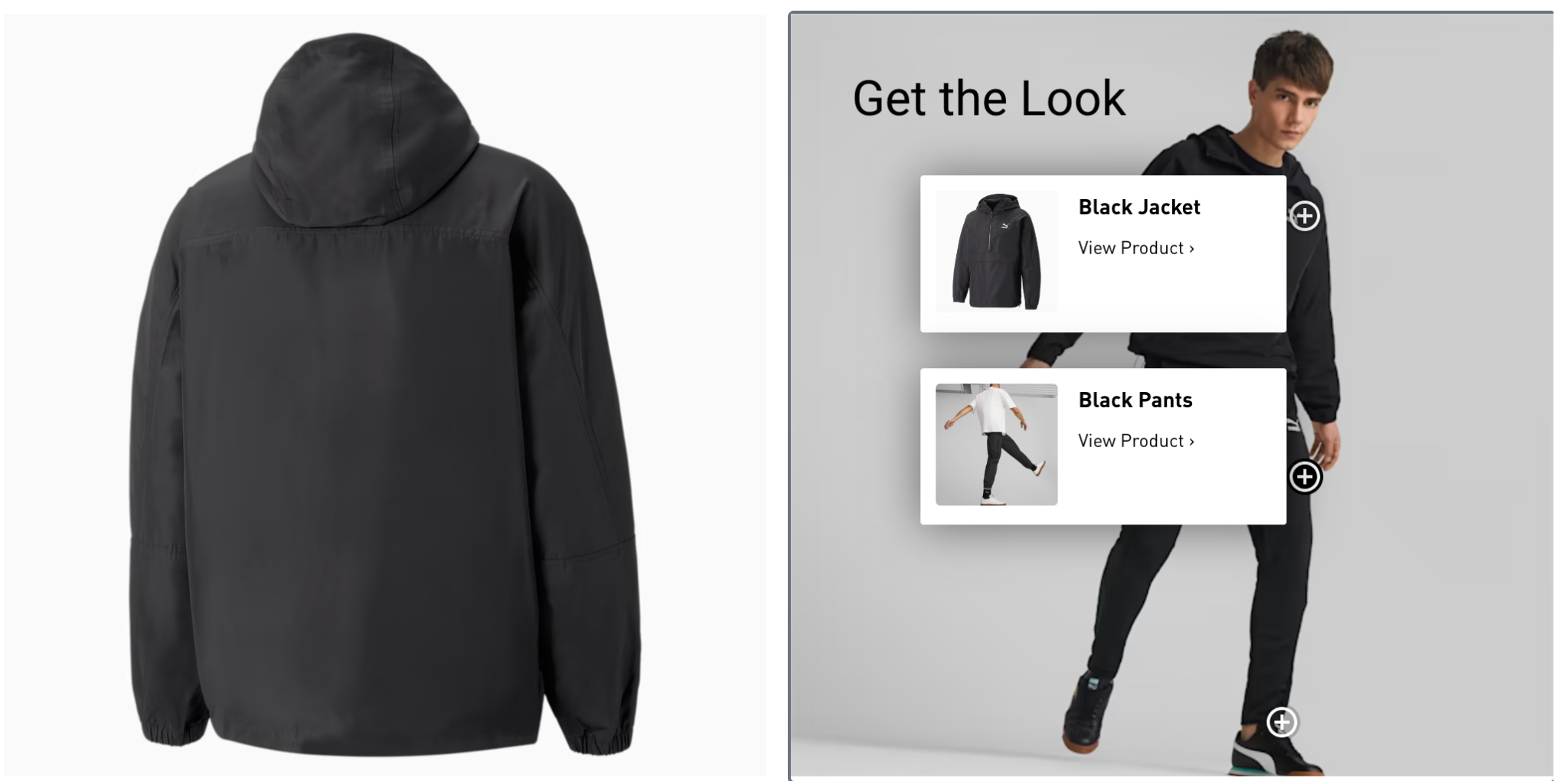
The work produced a coherent growth case: a defined customer problem, a causal hypothesis, competitor evidence, an MVP boundary, an instrumented funnel, explicit investment criteria and a roadmap that delayed complexity until the core loop proved itself.
The honest next step was not a full rollout. It was engineering sizing followed by a controlled pilot on eligible product pages. Because the available draft does not contain verified launch results, this case intentionally stops at the decision-ready proposal rather than presenting forecast impact as achieved performance.